Troubleshooting refrigeration failures in remote Pacific anchorages
When refrigeration components fail in remote Pacific anchorages, you have no tech support, no overnight parts, and galley temperatures that can hit 100°F by noon.
TLDR
- Most refrigeration failures in the tropics trace to voltage sag under load, not the compressor itself, requiring a full battery system audit before diagnosing mechanical faults.
- Air-cooled systems outperform water-cooled units in remote Pacific conditions where clogged strainers and algae blooms sabotage seawater circuits.
- Stock a complete spare compressor and leak detection kit, not just consumables, because the nearest refrigerant supply may be six weeks of shipping away.
The Voltage Trap
You're anchored in the Tuamotus. The fridge won't hold temperature. You check the compressor. It cycles on, pulls hard for eight seconds, then dies. Voltage at the panel reads 12.4V. Looks fine. You blame the compressor.
Wrong target.
Most cruisers chasing refrigeration ghosts in the Pacific miss the real killer: voltage sag under load. Your panel shows resting voltage, not what the compressor sees when it fires up. A healthy 12V DC compressor typical of a 1/4 to 1/3 horsepower Danfoss-type unit draws 4 to 6 amps running, but 15 to 25 amps for the first two seconds of startup. If your house bank sags below 11.5V during that spike, the compressor's low-voltage cutoff kills the cycle. The system never builds pressure. The box never cools. You assume mechanical failure when it's pure electrical starvation.
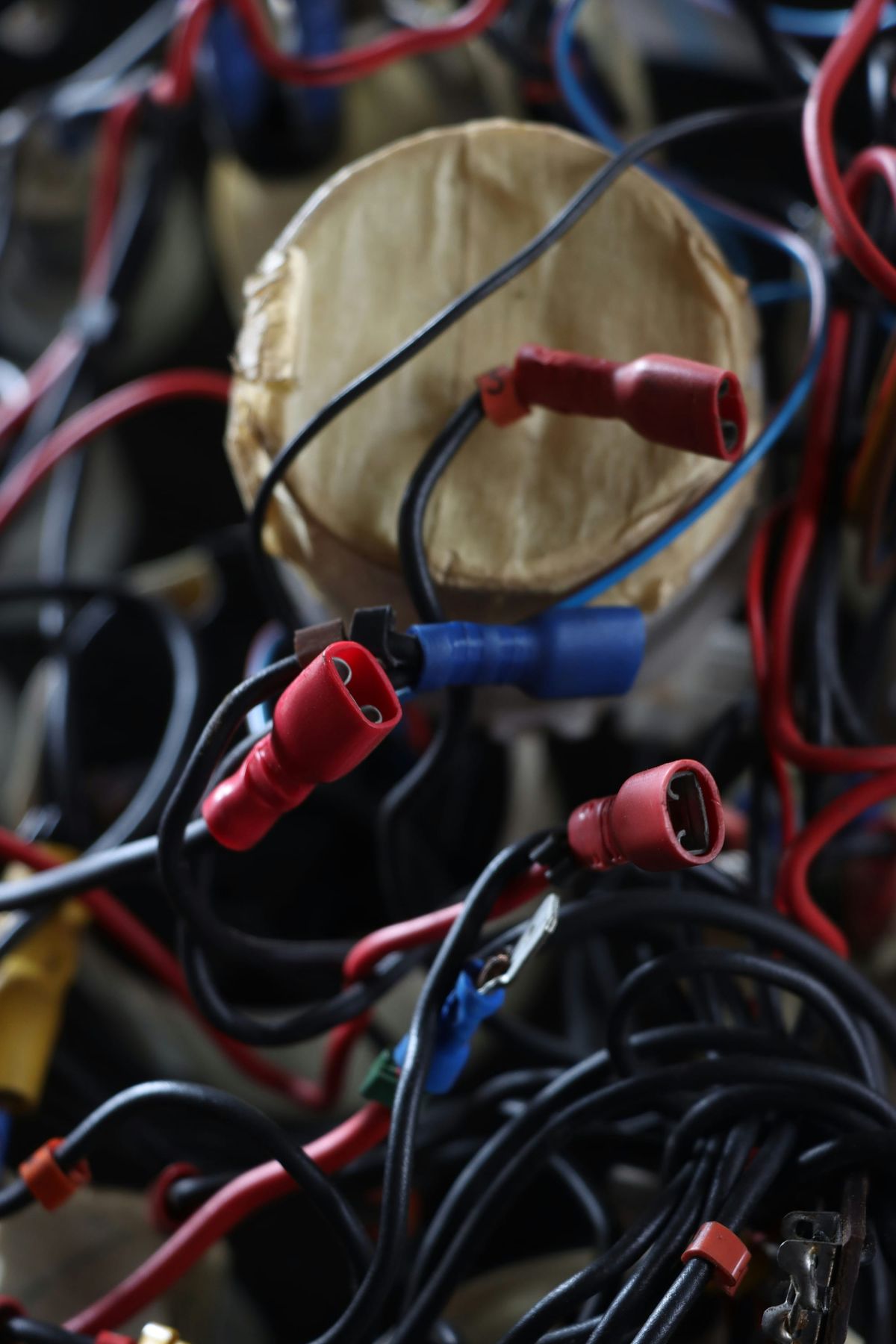
Before you touch refrigerant or thermostats, audit the full power path. Measure voltage at the compressor terminals during startup, not at the panel. Check every crimp and terminal between the battery and the unit. Saltwater corrosion builds resistance you can't see. A single corroded ring terminal adds enough impedance to drop 0.8V under load. I've seen cruisers replace compressors three times before discovering a green terminal hidden under heat shrink at the main breaker.
Undersized wiring compounds the problem. Many production boats spec 14 AWG for fridge circuits. That's marginal at 10 feet. At 20 feet in tropical heat with voltage drop, it's a failure point. If you're running a typical 42-quart front-loading unit, you need 10 AWG minimum, 8 AWG preferred, to keep voltage loss under 3% during startup. Install a low-voltage disconnect set to 11.8V cutoff. Monitor amp-hours daily. A 400Ah house bank is the floor for reliable refrigeration at anchor without constant generator time.
Heat Rejection in the Tropics
Standard refrigeration advice assumes you have cool ambient air and unlimited freshwater for condenser cleaning. The Pacific trades laugh at both assumptions.
In the Marquesas or anchored off any equatorial atoll, your galley runs 95°F to 100°F by midday. Your refrigeration system is trying to reject heat into air that's barely cooler than the condenser coil itself. Efficiency drops 10% to 20% compared to temperate climates. The compressor runs constantly. If your insulation is thin or compromised, the box never reaches setpoint.
Water-cooled systems theoretically handle high ambient temps better, but they introduce failure modes you can't fix offshore. Clogged raw water strainers, algae blooms, pump failures, or inadequate flow all cause high head pressure. The compressor labors, overheats, and eventually grenades itself. I watched a cruiser in Nuku Hiva lose a $900 Frigoboat compressor because a jellyfish fragment blocked his strainer for six hours. The high-pressure cutout never tripped. The unit cooked.
Air-cooled systems win in remote anchorages. No seawater circuit, no strainer to clog, no through-hull to foul. Clean the condenser coils every two weeks with compressed air or a soft brush. Salt, dust, and galley grease build up fast in the trades. A 30% reduction in airflow across the coil can double runtime. If your boat has poor ventilation around the compressor, add a 12V fan, 100 to 200 CFM, to force air movement. Run it continuously when the compressor cycles.
Insulation and Gaskets
Factory refrigeration insulation on most production cruisers is barely adequate in temperate zones. In the tropics, it's a liability. Standard polyurethane foam absorbs moisture from humid air infiltration. Over five years, wet foam loses 30% to 50% of its R-value. Your compressor runs longer to maintain the same box temperature, draining batteries faster and generating more heat in an already overheated space.
Retrofit with closed-cell foam panels, 2 to 3 inches thick, bonded to the interior of the box. This isn't standard manufacturer advice. They tell you to adjust the thermostat or check door seals. Those help, but they don't address the root heat gain. Cruisers who add interior foam report 40% reductions in compressor runtime. That's the difference between managing on solar alone and needing to run the generator every other day.
Door gaskets fail faster in the trades. High humidity, salt exposure, and constant UV degrade the material. Test the seal with hot water, not the dollar bill method. Pour hot water along the gasket line on the outside. If you see condensation forming on the inside skin within 30 seconds, the seal is leaking. Replace with marine-grade gaskets rated at 70+ Shore A durometer. Some cruisers double-gasket the door or add magnetic weatherstrip as a backup. Overkill at the dock, essential 2,000 miles from parts.
Frost buildup accelerates in humid climates. Every time you open the fridge, moist air enters and condenses on the evaporator. If you're opening the box six times a day to cook and serve, ice accumulates fast. Block access during meal prep with a cooler for frequently used items. Defrost manually every three to four days instead of waiting for ice to choke airflow.
The Parts You Actually Need
Remote Pacific anchorages mean no techs, no refrigerant suppliers, no next-day shipping. You carry spares or you lose refrigeration for weeks.
Stock a complete spare compressor, not just belts and fuses. Test it quarterly to confirm it works. Carry R134a refrigerant in 1-pound cans, a manifold gauge set, and a vacuum pump. Evacuate the system properly before recharging. Moisture or air in the refrigerant circuit will freeze at the expansion valve and kill cooling. I've seen cruisers attempt DIY recharges without evacuation and trash their systems in 48 hours.
Add a UV leak detector kit. Refrigerant leaks from vibration, corrosion, or poorly flared connections. UV dye in the system makes tiny leaks visible under blacklight. O-rings, valve cores, and sealant are consumables. Bring extras. A spare evaporator fan and thermostat probe cost $40 combined and prevent total system loss if either fails.
Shipping to remote atolls takes four to six weeks from New Zealand or Australia, assuming the supply boat is running. If you're in the Tuamotus and your compressor dies, you're looking at a month without refrigeration or an expensive sail to Papeete. Carry the spares.
Power Management Offshore
In light wind anchorages, you can't count on solar to keep up with continuous compressor draw. Manage runtime manually. Cycle the fridge 20 minutes per hour at dawn and dusk when solar input is low. Block the unit with an insulation board overnight if you're not accessing it. This contradicts the set-and-forget mentality most cruisers bring from shoreside life, but it extends battery reserves and reduces wear.
Your refrigeration system is not a convenience. It's a critical load that competes with navigation, communication, and watermaking. Treat it like the power hog it is, or accept that you'll be eating canned beans while your batteries die.
By Jeffrey Pierce